
In today's rapidly evolving digital landscape, business continuity and robust cybersecurity are no longer optional extras; they are fundamental pillars for any organisation aiming to thrive. A robust IT infrastructure is crucial, and that's where Managed IT Services become invaluable.
This article explores the critical components of a resilient IT infrastructure, focusing on strategies and solutions to protect your business from disruptions and cyber threats. We'll delve into key areas such as proactive network management, data protection, and disaster recovery, all while leveraging the power of Microsoft's Modern Workplace.
What is the core of business continuity?
The core of business continuity is ensuring an organisation can maintain critical operations and quickly resume full functionality after disruptive events. It extends beyond basic data backups, encompassing a comprehensive strategy to mitigate the impact of unforeseen circumstances like cyberattacks, natural disasters, or hardware failures. For example, in Australia, where cyber incidents affected 1 in 4 businesses in 2023, a robust plan identifies potential risks through thorough assessments, such as evaluating vulnerabilities in IT infrastructure. It then outlines proactive mitigation strategies, establishes clear procedures for rapid recovery, and ensures data restoration. This involves implementing solutions like Azure Backup & Helpdesk: Disaster Recovery for M365 for data integrity and redundancy. Ultimately, an effective business continuity plan minimises financial losses and reputational damage, allowing the business to operate consistently despite significant disruptions.
Effective business continuity relies on several key elements:
- Risk Assessment: Identifying potential threats and vulnerabilities within your IT infrastructure.
- Data Backup and Recovery: Implementing robust backup solutions to ensure data can be restored quickly and efficiently. Consider solutions like Azure Backup & Helpdesk: Disaster Recovery for M365.
- Disaster Recovery Planning: Developing a detailed plan to restore critical IT systems and data following a disruptive event. Learn more about Microsoft 365: Disaster Recovery Essentials.
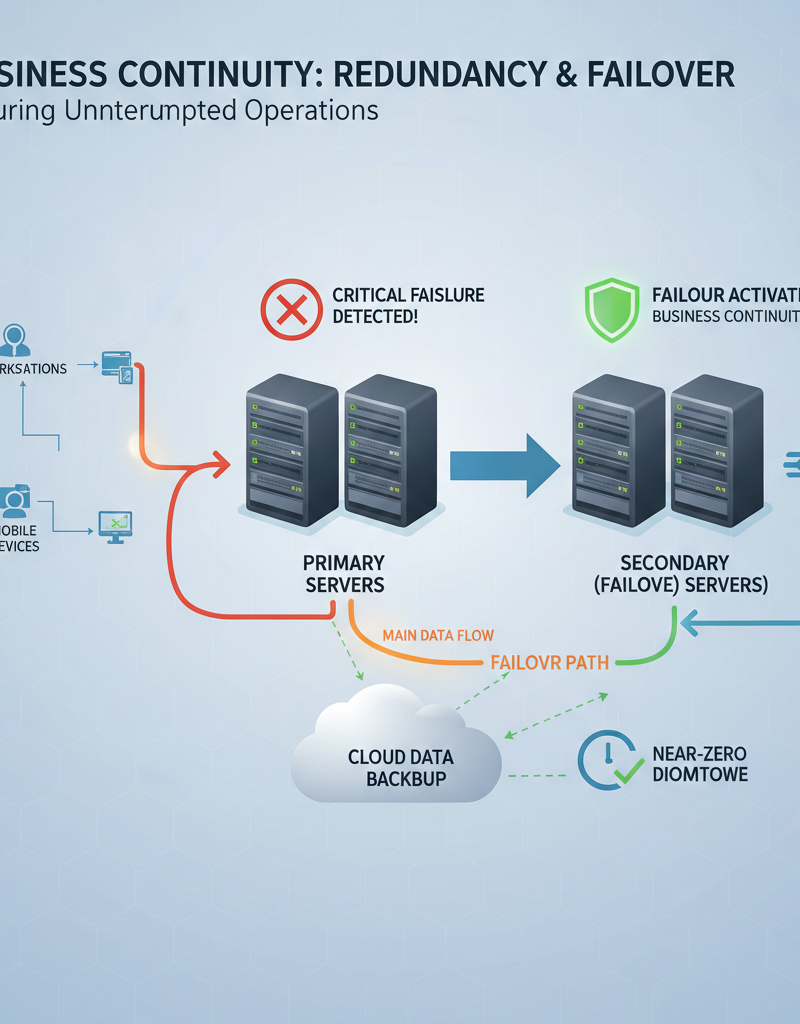
- Redundancy and Failover: Implementing redundant systems and failover mechanisms to ensure continuous operation even if one component fails.
- Regular Testing and Training: Conducting regular tests of your business continuity plan and providing training to employees to ensure they know their roles and responsibilities. Learn more about disaster recovery planning from the Australian Cyber Security Centre.
How can I protect my digital assets with cybersecurity?
To effectively protect digital assets with cybersecurity, businesses must adopt a proactive, multi-layered approach that secures computer systems, networks, and data from unauthorised access, use, or destruction. This involves implementing robust measures such as endpoint protection, exemplified by solutions like Microsoft Defender, to safeguard individual devices from malware and viruses. Organisations should also deploy network security tools like firewalls and intrusion detection systems to prevent unauthorised network infiltration. Encrypting all sensitive data, both in transit and at rest, is crucial, alongside establishing strong access control policies, including multi-factor authentication, to ensure only authorised personnel can access critical systems. Furthermore, regular employee security awareness training significantly reduces human error vulnerabilities, helping to prevent phishing attacks and other social engineering threats. This comprehensive strategy, including consistent vulnerability management, is vital given the increasing sophistication of cyber threats.
Key cybersecurity measures include:
- Endpoint Protection: Implementing endpoint security solutions, such as Microsoft Defender, to protect devices from malware, viruses, and other threats. Consider Modern Workplace Security: Intune & Defender.
- Network Security: Implementing firewalls, intrusion detection systems, and other network security measures to prevent unauthorised access to your network.
- Data Encryption: Encrypting sensitive data both in transit and at rest to protect it from unauthorised access.
- Access Control: Implementing strong access control policies and multi-factor authentication (MFA) to ensure only authorised users can access sensitive data and systems.
- Security Awareness Training: Educating employees about cybersecurity threats and best practices to prevent phishing attacks, malware infections, and other security breaches. Microsoft offers extensive security awareness training resources.
- Vulnerability Management: Regularly scanning your systems for vulnerabilities and patching them promptly.
How can managed IT services act as a partner in resilience?
Managed IT services act as a crucial partner in fostering resilience by providing comprehensive support that enables businesses, particularly small to medium-sized enterprises (SMEs) with limited IT resources, to effectively navigate the complexities of business continuity and cybersecurity. These services ensure a robust and secure IT infrastructure through proactive network monitoring, which detects and resolves issues before they escalate, often preventing up to 90% of potential outages. For instance, a managed IT provider typically implements strong cybersecurity measures such as multi-factor authentication and endpoint detection, significantly reducing the risk of cyberattacks. They also provide essential data backup and recovery services, ensuring business-critical information is continuously protected and swiftly restorable after an incident. By taking on the burden of IT upkeep, data protection, and disaster recovery planning, managed IT providers enable businesses to concentrate on their core operations, confident in their digital resilience.
- Proactive Network Management: Monitoring your network for potential issues and resolving them before they cause disruptions.
- Cybersecurity Protection: Implementing and managing cybersecurity solutions to protect your business from cyber threats. Consider Intune, Cybersecurity & Managed IT: A Modern Approach.
- Data Backup and Recovery: Providing reliable data backup and recovery services to ensure your data is always protected and can be restored quickly in the event of a disaster. See how to Secure Your Business with Azure Backup & Modern Workplace.
- Disaster Recovery Planning: Developing and testing a comprehensive disaster recovery plan to ensure your business can recover quickly from a disruptive event.
- IT Helpdesk Support: Providing 24/7 IT helpdesk support to resolve technical issues and keep your business running smoothly. Check out how to Optimise IT with Microsoft 365 & Expert Support.
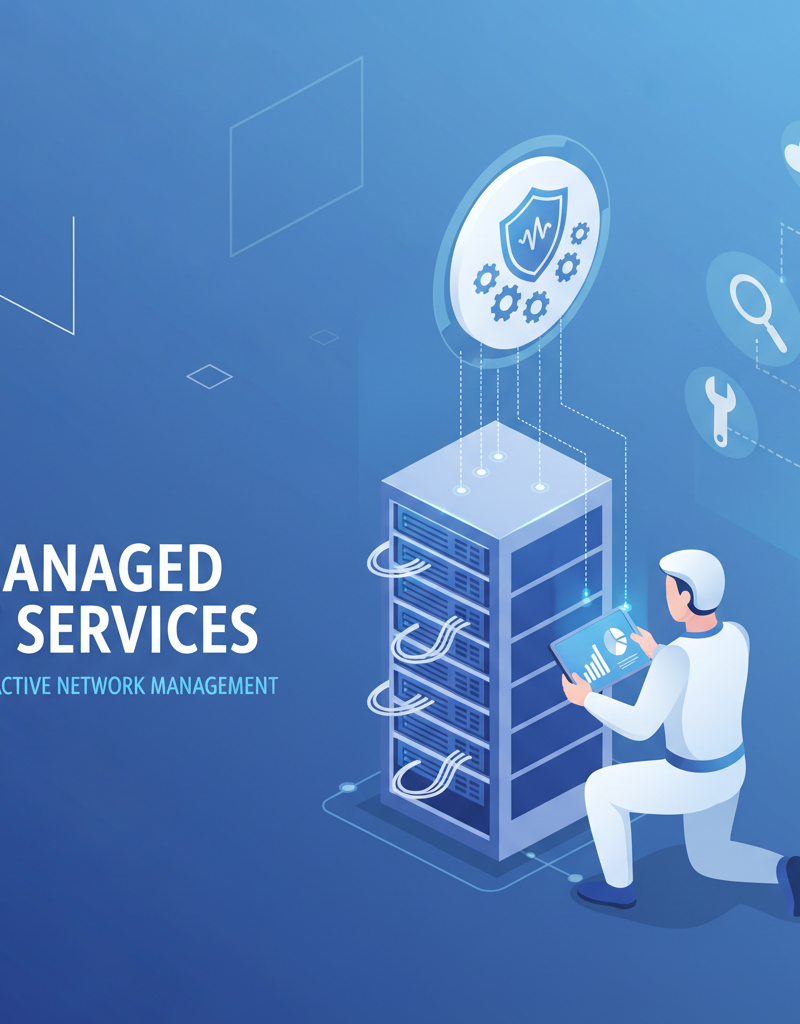
By partnering with a Managed IT provider, you can focus on your core business while ensuring your IT infrastructure is secure, reliable, and resilient. We offer services in Melbourne, Sydney, Perth, Brisbane, and internationally.
How can leveraging Microsoft's modern workplace enhance business resilience?
Leveraging Microsoft's modern workplace significantly enhances business resilience by providing a robust, cloud-based IT infrastructure built around Microsoft 365 and Azure. This integrated ecosystem offers high availability and disaster recovery capabilities through services like SharePoint and Exchange Online, minimising downtime risks for Australian businesses. It incorporates built-in security features such as anti-malware, anti-phishing, and data loss prevention (DLP) across its suite, safeguarding sensitive information from escalating cyber threats. For instance, Microsoft's global data centres are designed for an average uptime of 99.98% for their core services, demonstrating critical reliability. Furthermore, tools like Intune facilitate secure device management, allowing only authorised devices to access company resources, while Azure Backup provides a dependable, scalable cloud backup solution. These combined features empower organisations to maintain operational continuity, protect data, and recover swiftly from unforeseen disruptions, often reducing recovery times from days to mere hours.
- Cloud-Based Services: Microsoft 365 and Azure provide cloud-based services that are highly available and resilient, reducing the risk of downtime. Explore Microsoft 365 & Azure: Scaling Your Business in 2024.
- Built-in Security: Microsoft 365 includes built-in security features, such as anti-malware, anti-phishing, and data loss prevention (DLP), to protect your data from cyber threats. Learn more about Entra ID: Your Business Continuity Lifeline.
- Intune Device Management: Intune allows you to manage and secure devices, ensuring that only authorised devices can access your network and data.
- Azure Backup: Azure Backup provides a reliable and cost-effective solution for backing up your data to the cloud. Learn more about Azure Backup.
- SharePoint and Exchange Online: Cloud-based collaboration and communication tools that offer high availability and disaster recovery capabilities. Streamline your operations with SharePoint & Azure: Streamline Your Cloud Migration.
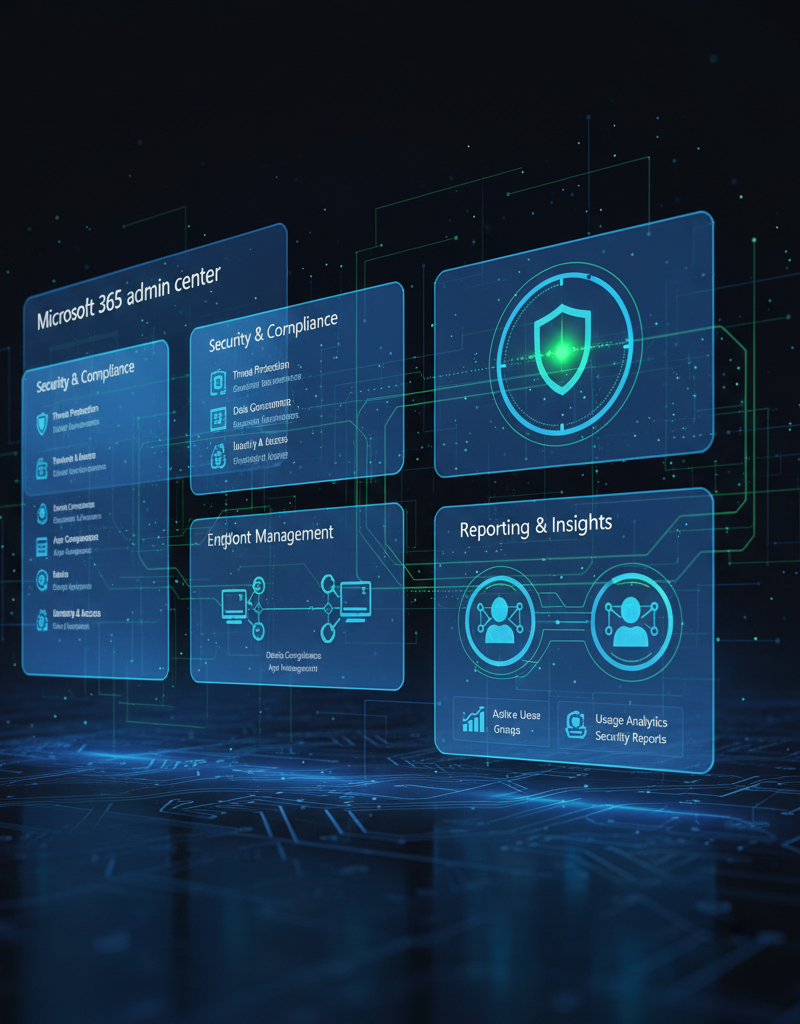
By leveraging the power of Microsoft's Modern Workplace, you can create a resilient IT infrastructure that is secure, reliable, and scalable.
Why is network management important for uninterrupted operations?
Effective network management is crucial for uninterrupted business operations because it ensures the consistent health and optimal performance of your IT infrastructure, actively preventing costly downtime. It encompasses proactive monitoring, robust security measures, and ongoing optimisation to maintain seamless connectivity and data flow across all departments. For instance, sophisticated network monitoring tools can detect unusual traffic patterns or impending hardware failures, allowing for intervention before an outage occurs, similar to a car's dashboard warning light for a critical engine issue. Furthermore, strong cybersecurity protocols, including advanced firewalls and intrusion detection systems, are integrated to protect against the ever-present threat of cyberattacks, which cost Australian businesses an average of $276,000 per incident in 2023. This holistic and preventative approach significantly reduces disruptions, enhances overall network efficiency, and forms the bedrock of a resilient business operation.
Key aspects of network management include:
- Network Monitoring: Implementing tools and processes to monitor network performance, identify potential issues, and proactively address them.
- Network Security: Implementing security measures, such as firewalls, intrusion detection systems, and VPNs, to protect your network from unauthorised access and cyber threats.
- Network Optimisation: Optimising network performance to ensure fast and reliable connectivity for all users and applications.
- Regular Maintenance: Performing regular maintenance tasks, such as patching software, updating firmware, and cleaning up unused files, to keep your network running smoothly.
- Documentation: Maintaining accurate documentation of your network infrastructure, including network diagrams, IP addresses, and configuration settings.
By implementing effective network management practices, you can minimise downtime, improve network performance, and enhance the overall resilience of your IT infrastructure.
How can I build a future-proof IT infrastructure?
Building a future-proof IT infrastructure in Australia requires a holistic and strategic approach that integrates comprehensive business continuity planning, robust cybersecurity measures, and efficient network management. Collaborating with a reputable Managed IT Services provider, such as Mycelium 365, and leveraging comprehensive platforms like Microsoft's Modern Workplace, is key to establishing an IT environment that is not only secure and reliable but also agile enough to adapt to evolving threats and technological advancements. For example, implementing a well-managed Microsoft 365 environment can significantly reduce the risk of data breaches stemming from user error by up to 25%, drastically enhancing overall resilience. A truly future-proof infrastructure ensures uninterrupted business operations, protects sensitive data from sophisticated cyber threats prevalent in the APAC region, and supports long-term strategic growth by providing a stable and secure technology foundation.