Azure: Your Disaster Recovery Solution for the Modern Workplace
· By Paul Harvey
In today's rapidly evolving digital landscape, businesses face increasing threats from cyberattacks, natural disasters, and unforeseen disruptions. A robust Disaster Recovery (DR) plan is no longer optional; it's a critical necessity for ensuring business continuity. Leveraging Azure, Microsoft's powerful cloud platform, offers a comprehensive and scalable solution for safeguarding your organisation's data and applications.
At Mycelium 365, we understand the importance of a resilient IT infrastructure. With offices in Melbourne, Sydney, Perth, and Brisbane, we specialise in helping Australian businesses implement effective DR strategies using Azure and the broader Microsoft ecosystem. This blog post will explore how Cloud Migration to Azure and the implementation of Zero Trust Security principles can form the foundation of a robust DR plan.
Why choose Azure for disaster recovery?
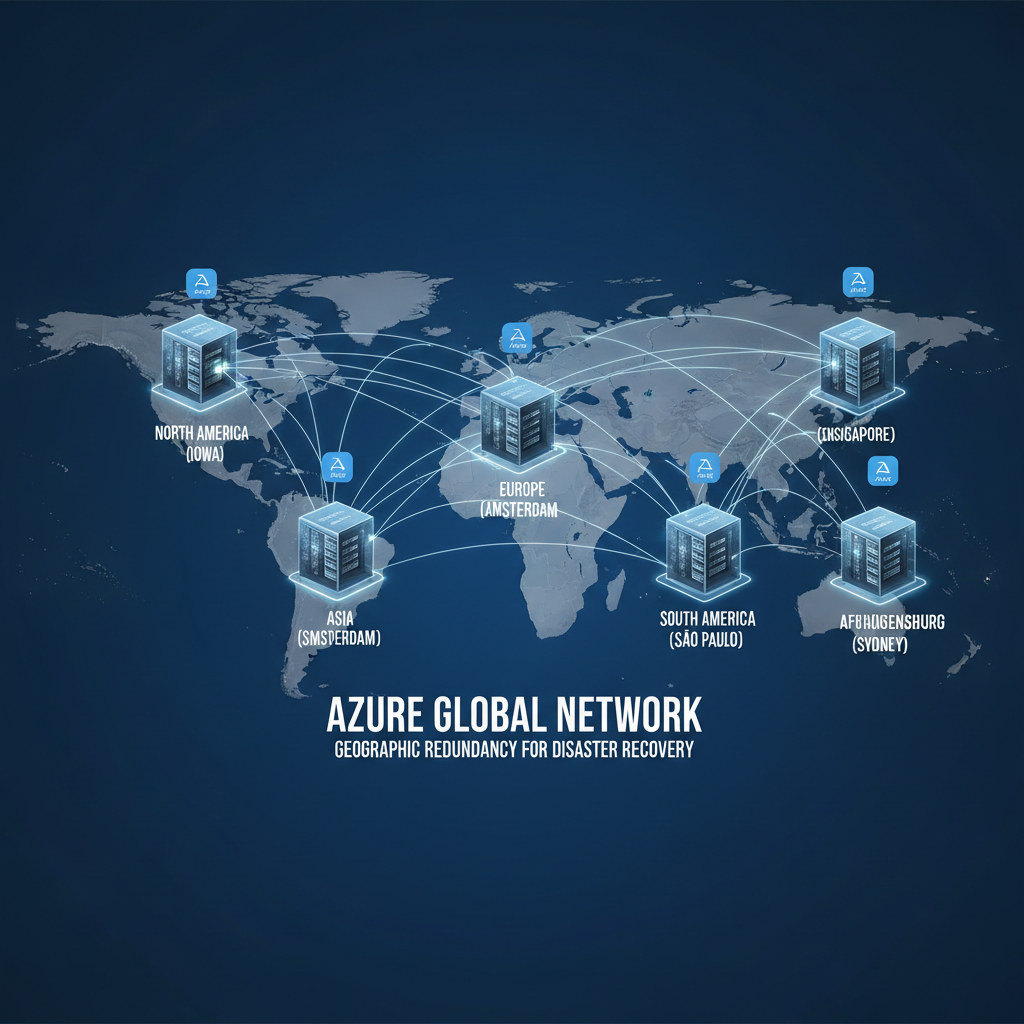
Azure is a highly compelling platform for disaster recovery (DR) due to its impressive scalability, flexibility, and extensive global infrastructure, offering distinct advantages over traditional on-premises solutions. Its on-demand resources mean businesses only incur costs for the capacity they utilise, eliminating the substantial upfront capital expenditure typically associated with dedicated DR hardware and infrastructure. With a global network comprising over 60 regions worldwide, Azure facilitates geographic redundancy, allowing for the replication of critical data and applications across multiple diverse locations. This significantly minimises downtime in the event of a regional outage. Furthermore, Azure's cost-effective, pay-as-you-go model, combined with seamless integration for Microsoft 365 users and advanced security features, including encryption and threat detection, positions it as a robust solution for preserving business continuity and achieving a Recovery Time Objective (RTO) typically within minutes.
- Scalability and Flexibility: Azure's on-demand resources allow you to scale your DR environment up or down as needed, optimising costs and ensuring you only pay for what you use. This contrasts sharply with traditional on-premises DR solutions, which often require significant upfront investment in hardware and infrastructure. Explore more about Azure scalability on the official Microsoft Azure website.
- Global Reach: Azure's extensive network of data centres across the globe ensures geographic redundancy. This means you can replicate your data and applications to multiple regions, minimising downtime in the event of a regional outage. You can find a complete list of Azure regions on the Azure Global Infrastructure page.
- Cost-Effectiveness: Azure's pay-as-you-go model and reduced hardware requirements can significantly lower the total cost of ownership (TCO) for your DR solution. Avoid expensive hardware refresh cycles and maintenance costs associated with on-premises solutions.
- Integration with Microsoft 365: For organisations already using Microsoft 365, Azure provides seamless integration, allowing you to protect your critical data and applications within a unified environment. Learn how to Seamless Cloud Migration to Microsoft 365 can enhance your disaster recovery.
- Advanced Security: Azure offers a comprehensive suite of security features, including encryption, access control, and threat detection, to protect your data and applications from unauthorised access and cyberattacks. This is especially important when considering a Zero Trust Security framework.
How do you build a robust disaster recovery plan with Azure?
Building a robust disaster recovery (DR) plan with Azure requires a structured approach focusing on resilience and rapid recovery. Key steps include conducting a thorough risk assessment and Business Impact Analysis (BIA) to identify critical applications and determine appropriate Recovery Time Objectives (RTO) and Recovery Point Objectives (RPO), which often need to be within minutes or a few hours for core business systems in Australia. Subsequently, selecting suitable data replication and backup strategies, such as Azure Backup or Azure Site Recovery, is crucial to protect your data. This is followed by establishing clear failover and failback procedures, which must be regularly tested—perhaps quarterly—to ensure their efficacy. Finally, comprehensive documentation and ongoing staff training are essential to guarantee a smooth and effective response during an actual disaster event, facilitating business continuity for small to medium-sized enterprises.
- Risk Assessment and Business Impact Analysis (BIA): Identify critical business processes and applications and assess the potential impact of downtime on your organisation. This will help you prioritise your DR efforts and determine the appropriate Recovery Time Objective (RTO) and Recovery Point Objective (RPO) for each application.
- Data Replication and Backup: Choose the appropriate data replication and backup strategy based on your RTO and RPO requirements. Azure offers several options, including Azure Backup, Azure Site Recovery, and Azure Blob Storage. Learn more about Azure Backup & Helpdesk: Disaster Recovery for M365.
- Failover and Failback Procedures: Define clear and well-documented procedures for failing over to your DR environment in the event of a disaster and failing back to your primary environment once the issue is resolved. Regular testing of these procedures is crucial to ensure their effectiveness. Consider linking this with Microsoft 365: Disaster Recovery Essentials.
- Testing and Validation: Regularly test your DR plan to identify any weaknesses and ensure that it meets your business requirements. This includes simulating different disaster scenarios and verifying that your applications can be successfully recovered within the defined RTO and RPO.
- Documentation and Training: Maintain comprehensive documentation of your DR plan and provide regular training to your IT staff on how to execute the plan. This will ensure that everyone is prepared to respond effectively in the event of a disaster.
How can cloud migration enhance disaster recovery?
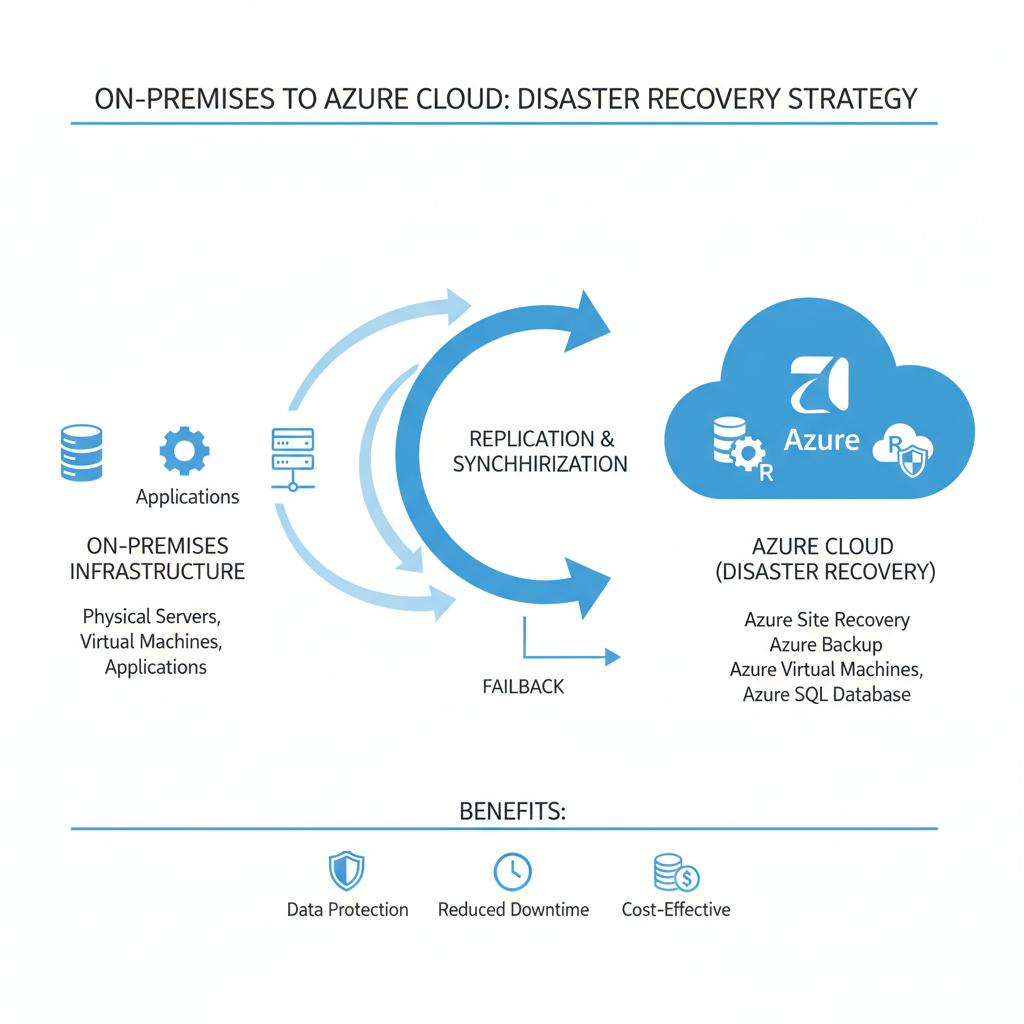
Cloud migration significantly enhances disaster recovery (DR) by leveraging the inherent redundancy and scalability of cloud platforms like Azure, thereby forming the cornerstone of a modern DR strategy. Moving applications and data to the cloud allows Australian organisations to utilise Azure's robust infrastructure, which is geographically distributed and highly available, mitigating risks associated with localised outages. For instance, Azure offers services like Azure Site Recovery, allowing for the replication of virtual machines and physical servers to Azure, ensuring business continuity with recovery time objectives (RTOs) often measured in minutes rather than hours. This approach not only strengthens resilience against disruptions but also leads to reduced infrastructure costs compared to traditional on-premise DR solutions, as the need for maintaining duplicate hardware at a secondary site is eliminated. Furthermore, cloud-based DR streamlines management through a centralised console, offering a more agile and cost-effective pathway to robust business continuity.
- Reduced Infrastructure Costs: Migrating to Azure eliminates the need for expensive on-premises hardware and infrastructure, reducing your overall DR costs. Read more about Boost Efficiency with Managed IT & Cloud Migration.
- Improved Scalability and Flexibility: Azure's on-demand resources allow you to quickly scale your DR environment up or down as needed, ensuring that you can meet the demands of your business. Microsoft 365 & Azure: Scaling Your Business in 2024 can provide more context on scaling.
- Simplified Management: Azure provides a centralised management console that simplifies the management of your DR environment. This allows you to monitor the health and performance of your applications and data and quickly respond to any issues.
How does integrating zero trust security improve a DR solution?
Integrating zero-trust security significantly improves a disaster recovery (DR) solution by proactively mitigating risks, treating all access attempts as potential threats, and fortifying the entire recovery process. This security model, which assumes no user or device is inherently trustworthy regardless of their network location, ensures that even compromised credentials within the network cannot grant unlimited access. For instance, implementing multi-factor authentication (MFA) and granular role-based access control (RBAC) via solutions like Entra ID, ensures only authenticated and authorised personnel can access critical DR resources, preventing illicit data exfiltration or system manipulation during a crisis. This comprehensive approach enhances resilience and minimizes the attack surface of your DR environment, offering a robust defence against evolving cyber threats, which is crucial given that over 60% of Australian businesses experienced a cyber incident in the last year.
- Identity and Access Management: Implement strong identity and access management controls to ensure that only authorised users have access to your DR environment. This includes using multi-factor authentication (MFA) and role-based access control (RBAC). Refer to Entra ID: Your Business Continuity Lifeline.
- Network Segmentation: Segment your network to limit the impact of a security breach. This can be achieved by using Azure Virtual Networks (VNets) and Network Security Groups (NSGs) to isolate different parts of your environment.
- Data Encryption: Encrypt your data both at rest and in transit to protect it from unauthorised access. Azure provides a variety of encryption options, including Azure Key Vault and Azure Storage Service Encryption.
- Threat Detection and Response: Implement threat detection and response capabilities to quickly identify and respond to any security incidents. Azure Security Center and Azure Sentinel provide comprehensive threat detection and response capabilities. For more information on security see Modern Workplace Security: Intune & Defender.
Who can help with Azure disaster recovery for Australian businesses?
Australian businesses requiring Azure disaster recovery (DR) assistance can engage specialised Azure experts, such as Mycelium 365, who are adept at designing, implementing, and managing robust DR solutions. These providers offer certified teams capable of assessing an organisation’s unique DR needs, developing a tailored plan, and expertly migrating critical applications and data to Azure to ensure business continuity. They also integrate essential cybersecurity measures, including Zero Trust principles, to fortify the DR environment against threats. For example, a well-executed Azure DR plan can reduce potential data loss from a catastrophic event by as much as 95%, ensuring swift recovery often within minutes, not hours. This comprehensive support extends to ongoing maintenance and management of the DR infrastructure, offering peace of mind to businesses across major Australian cities like Melbourne, Sydney, Perth, and Brisbane, safeguarding their operations against unforeseen disruptions.
- Assess your DR needs and develop a tailored DR plan.
- Migrate your applications and data to Azure.
- Implement Zero Trust Security principles.
- Provide ongoing support and maintenance for your DR environment.
We offer comprehensive Microsoft 365 management, Azure cloud services, and Cybersecurity with Microsoft Defender to protect your business. Our Intune device management ensures your devices are secure and compliant. With our IT helpdesk support, you can rest assured that your IT infrastructure is in good hands. If you're located in Melbourne, Sydney, Perth, or Brisbane, we're ready to assist you with your Cloud Migration and DR needs.
What is the conclusion regarding Azure disaster recovery?
Azure disaster recovery is a highly effective and cost-efficient solution for establishing a robust disaster recovery plan, significantly enhancing an organisation's resilience against unforeseen events. Leveraging Azure's inherent scalability, flexibility, and advanced security capabilities, businesses can effectively safeguard their operations from disruptions. Integrating strategic cloud migration initiatives with a strong Zero Trust Security framework and a meticulously planned Azure implementation is paramount for comprehensive protection. For instance, organisations can achieve an impressive Recovery Time Objective (RTO) of less than four hours for critical business applications by utilising Azure Site Recovery, drastically minimising downtime during an incident. This holistic approach ensures Australian businesses, from small enterprises to large corporations, can maintain continuous operations and data integrity, even when confronted by significant outages, ransomware attacks, or natural disasters, ensuring compliance with local regulatory requirements for data sovereignty and business continuity.