Building Resilient IT: Zero Trust, Cloud Migration, Business Continuity, and Network Management
· By Paul Harvey
In today's rapidly evolving digital landscape, businesses need more than just basic IT infrastructure. They require a resilient IT ecosystem that can withstand disruptions, adapt to change, and maintain operational efficiency. This means focusing on key areas like Zero Trust Security, seamless Cloud Migration, robust Business Continuity strategies, and proactive Network Management. Let's explore how Mycelium 365 can help your organisation build a more resilient IT future.
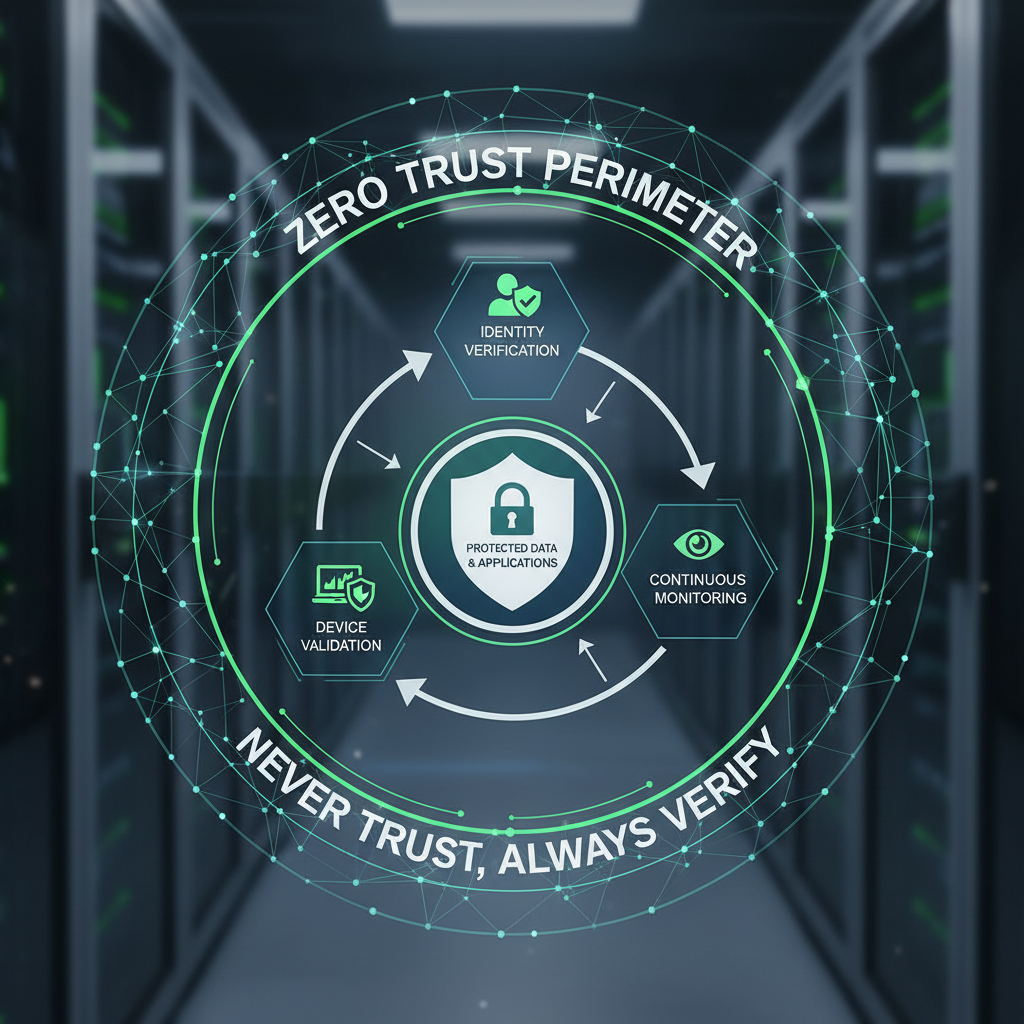
What is the foundation of zero trust security?
The foundation of zero trust security is the principle of "never trust, always verify," which fundamentally shifts from traditional "trust but verify" security models. This approach mandates that every user, device, and application, irrespective of its location inside or outside the network perimeter, must be authenticated, authorised, and continuously validated before being granted access to any resources. This is particularly crucial for Australian businesses today, given the widespread adoption of remote work and cloud-based applications, as it actively assumes that threats can originate from anywhere, including within the corporate network. For instance, an employee attempting to access a sensitive client database from a personal laptop at a café would undergo the same rigorous verification as an external cybercriminal. This model, often supported by solutions like multi-factor authentication (MFA) via Microsoft Entra ID (formerly Azure Active Directory), significantly enhances security by preventing unauthorised access and limiting the potential impact of a data breach.
Implementing Zero Trust involves several key steps:
- Identity and Access Management (IAM): Strong authentication mechanisms, such as multi-factor authentication (MFA) and conditional access policies are critical. Entra ID, formerly Azure Active Directory, plays a vital role in this area. [Entra ID: Your Business Continuity Lifeline](slug: entra-id-business-continuity-cybersecurity) describes how this is implemented.
- Microsegmentation: Dividing the network into smaller, isolated segments limits the blast radius of a potential breach.
- Least Privilege Access: Granting users only the minimum level of access required to perform their job functions. Refer to Microsoft's guidance on Zero Trust here.
- Continuous Monitoring and Threat Detection: Implementing robust monitoring tools to detect and respond to suspicious activity in real-time. Microsoft Defender for Cloud provides comprehensive threat protection across your Azure resources and on-premises servers. See [Fortify Your Business with Managed IT Services](slug: managed-it-services-microsoft-defender-it-support) for more information on how we can help protect your business.
How can Australian businesses embrace the cloud through seamless cloud migration?
Australian businesses can embrace the cloud through seamless cloud migration by prioritising meticulous planning and execution to harness advantages like increased scalability, flexibility, and cost savings. A successful migration avoids common pitfalls such as data loss, unexpected downtime, and critical security vulnerabilities which can derail an organisation's digital transformation. Services like Mycelium 365 specialise in guiding businesses through this complex process, often utilising robust platforms such as Microsoft 365 and Azure, as detailed in resources like "Migrating to Microsoft 365." This involves a comprehensive initial assessment of existing IT infrastructure, data, and applications, subsequently developing a secure and compliant migration strategy, rigorously testing the new cloud environment, and providing adequate user training to ensure a smooth transition. Such strategic planning typically sees operational cost reductions of 15-20% within the first year of a 50-person SME adopting a cloud-first approach.
Here are some key considerations for a successful cloud migration:
- Assessment and Planning: Thoroughly assess your existing IT infrastructure, applications, and data to determine the best migration strategy. A good starting point is Microsoft's Cloud Adoption Framework.
- Data Migration: Develop a comprehensive data migration plan that addresses data security, integrity, and compliance requirements. [SharePoint & Azure: Streamline Your Cloud Migration](slug: sharepoint-azure-cloud-migration) provides details about migrating data.
- Application Migration: Determine the best approach for migrating your applications, whether it's rehosting, refactoring, or rearchitecting.
- Testing and Validation: Rigorously test and validate the migrated environment to ensure that everything is working as expected.
- Training and Support: Provide adequate training and support to your users to ensure a smooth transition. [Optimise IT with Microsoft 365 & Expert Support](slug: microsoft-365-helpdesk-it-support-sydney) explains the support we offer.
[Boost Efficiency with Managed IT & Cloud Migration](slug: managed-it-services-cloud-migration-guide) offers a more in-depth look at the cloud migration process.
How does one ensure resilience through business continuity?
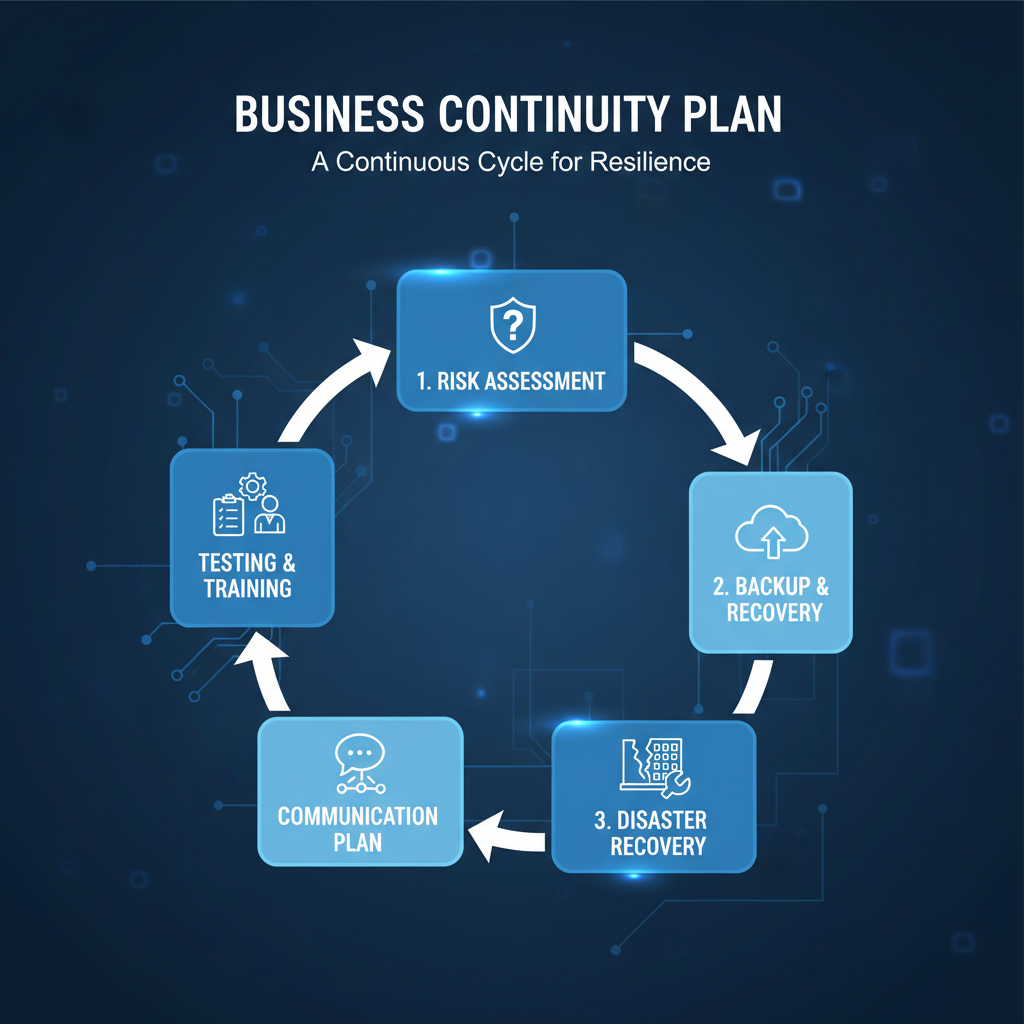
One ensures resilience through business continuity by developing a comprehensive plan that enables an organisation to maintain essential functions during and after disruptive events. This methodical approach identifies potential threats like natural disasters, cyberattacks, or equipment failures, and establishes strategies to mitigate their impact. A robust plan, as recommended by industry best practices and even Microsoft advice here, typically incorporates key elements such as thorough risk assessment to pinpoint vulnerabilities, reliable backup and recovery solutions like Azure Backup to protect critical data, a detailed disaster recovery strategy to restore operations swiftly, and a clear communication plan for all stakeholders. Regular testing and training, ideally on a quarterly basis to address evolving digital threats, are also crucial components to guarantee the plan's effectiveness, ensuring an organisation can successfully navigate unforeseen challenges and minimise downtime, which can cost small Australian businesses an average of $20,000 per hour during a critical outage.
Key elements of a robust business continuity plan include:
- Risk Assessment: Identifying potential threats and vulnerabilities that could disrupt business operations.
- Backup and Recovery: Implementing a reliable backup and recovery solution to protect critical data and applications. Azure Backup is a great option for this, as described in [Secure Your Business with Azure Backup](slug: azure-backup-modern-workplace-business-continuity).
- Disaster Recovery: Developing a plan to restore business operations as quickly as possible in the event of a disaster. [Microsoft 365: Disaster Recovery Essentials](slug: microsoft-365-disaster-recovery-plan) is a solid starting point.
- Communication Plan: Establishing clear communication channels to keep employees, customers, and stakeholders informed during a disruption.
- Testing and Training: Regularly testing and updating the business continuity plan to ensure its effectiveness. [M365: Your Business Continuity Lifeline](slug: microsoft-365-business-continuity-helpdesk) looks at this in more detail.
How can proactive network management maintain performance?
Proactive network management is fundamental for sustaining high network performance by continuously monitoring, identifying, and addressing potential issues before they negatively impact business operations. This comprehensive strategy ensures system reliability, bolsters security, and optimises efficiency across an organisation's IT infrastructure. For example, implementing specialised tools such as Microsoft’s Azure Network Watcher allows Australian businesses to track network health, detect anomalies, and pinpoint bottlenecks in real-time, significantly reducing the risk of downtime. Furthermore, regular patch management, ensuring network devices and software are updated to address vulnerabilities, is a critical security measure; over 70% of successful cyberattacks exploit known vulnerabilities in unpatched systems. By actively managing configurations, optimising performance through careful analysis, and conducting frequent security audits, organisations can guarantee their network infrastructure remains resilient, secure, and fully capable of supporting essential business functions without interruption.
Key aspects of proactive network management include:
- Network Monitoring: Implementing network monitoring tools to track network performance, identify bottlenecks, and detect security threats. Microsoft offers tools like Network Watcher in Azure (Azure Network Watcher).
- Patch Management: Regularly patching and updating network devices and software to address security vulnerabilities.
- Configuration Management: Maintaining consistent and secure network configurations across all devices.
- Performance Optimisation: Optimising network performance to ensure that applications and services are running efficiently. [Mastering the Modern Workplace with Microsoft 365](slug: modern-workplace-microsoft-365-intune-network-cloud) explains how this is managed.
- Security Audits: Conducting regular security audits to identify and address potential security weaknesses.
How can Mycelium 365 be your partner in building resilient IT?
Mycelium 365 can be your strategic partner in building resilient IT by offering a comprehensive suite of services designed to enhance organisational security, efficiency, and continuous operational uptime. We specialise in helping Australian businesses implement robust Zero Trust Security frameworks, ensuring highly secure access to resources regardless of user location or device, thereby significantly reducing the attack surface. Our team expertly facilitates seamless Cloud Migration to platforms like Microsoft Azure, optimising your infrastructure for scalability and redundancy. Furthermore, we develop robust Business Continuity plans, which can reduce recovery time objectives (RTO) following a disruption by up to 80%, alongside proactive Network Management. This includes dedicated support for Microsoft 365 management, Azure cloud services, and advanced cybersecurity with Microsoft Defender, ensuring your IT infrastructure remains secure, performant, and consistently available against evolving threats.

What is the conclusion?
Building a resilient IT infrastructure is no longer optional; it is a fundamental requirement for Australian organisations to withstand evolving digital threats and ensure consistent operation. This resilience is achieved through the strategic implementation of several core components: embracing Zero Trust Security principles, executing a well-planned Cloud Migration, developing a comprehensive Business Continuity strategy, and implementing proactive Network Management. For example, organisations that adopt these integrated strategies can significantly reduce their exposure to costly disruptions; a 2023 report from the Australian Cyber Security Centre (ACSC) highlighted that businesses with proactive, multi-layered security and recovery plans experienced a 35% faster recovery time from cyber incidents compared to those without. By integrating these critical elements, Australian businesses can minimise risk, maintain operational efficiency, and confidently navigate the complexities of the digital landscape, safeguarding their data and ensuring continuous service delivery.